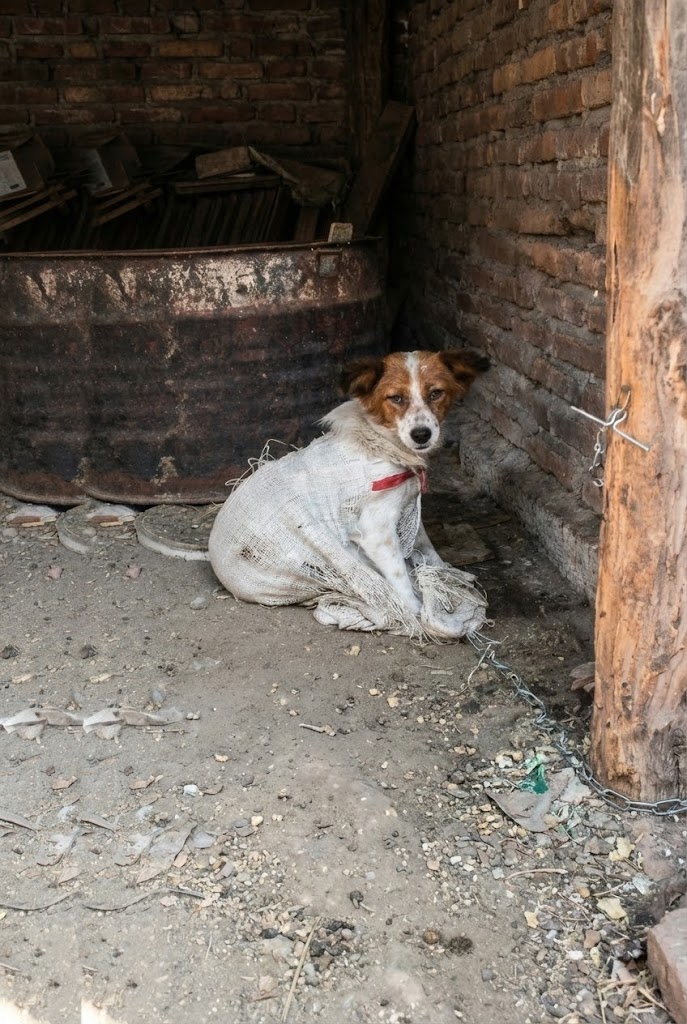
Imagine coming home one afternoon and noticing the silence.
The soft tap of paws that should greet you at the door. The tail that has never once failed to wag. The presence that has been there, without question, every single day.
Gone.
For countless families across Indonesia, that silence was not a mystery for long.
Their dogs hadn’t wandered off. They hadn’t been rehomed.
They had been taken — dragged into a hidden world of cruelty that most people had no idea existed — and what happened to them afterward was something few were prepared to face.
The World That Existed in the Shadows
For years, it stayed hidden.
Not because it was small. Not because it lacked victims. But because it operated in the spaces between what people chose to look at and what they preferred not to see.
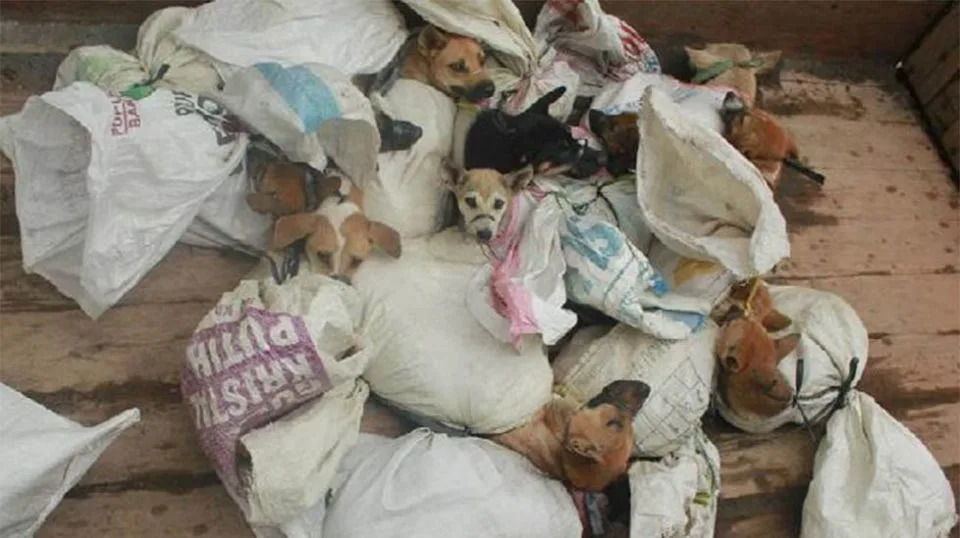
Dogs — beloved pets, family companions, animals who had spent their entire lives in the warmth of homes that loved them — were being funneled into an illegal trade that stretched across provinces, markets, and supply chains invisible to most of the country.
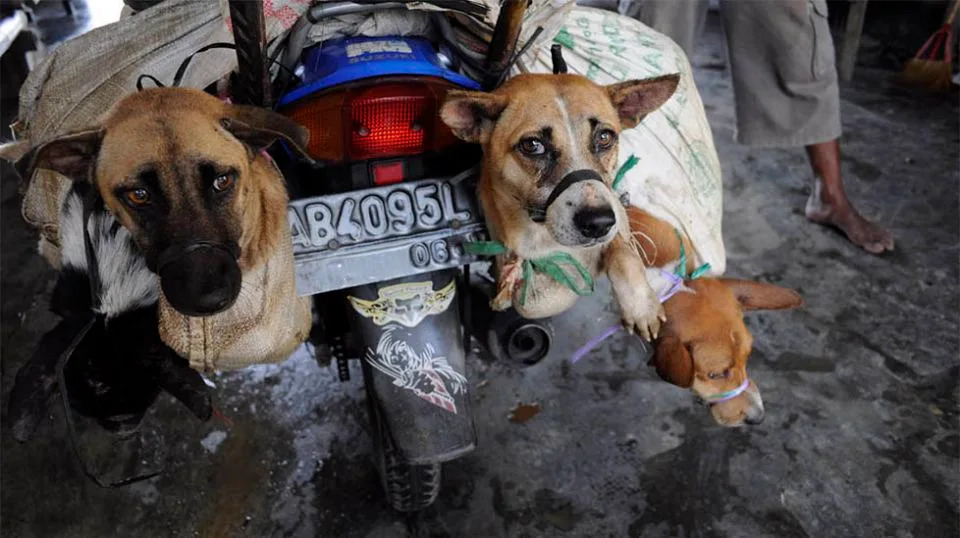
They were transported in sacks, piled onto trucks, left without food or water for journeys that could last days.
Many had collars still around their necks.
The collars meant something. They told the story plainly, for anyone willing to look: these were not strays. These were someone’s family.
And they were terrified.
When the Truth Could No Longer Be Contained
In 2017, the Dog Meat Free Indonesia coalition — a group of investigators, activists, and advocates who had spent years documenting what others refused to acknowledge — brought what they had found into full public view.
What they revealed was staggering.
Nearly one million dogs were being pushed through this trade every single year. Not as a fringe phenomenon. Not as an isolated regional practice. As an industry — structured, widespread, and operating with a scale that demanded attention.
Public figures joined the effort to amplify the findings. The message reached audiences that had never considered this reality before.
And then came the detail that transformed the conversation from an animal welfare issue into a public health emergency.
The World Health Organization weighed in clearly: as long as this trade continued — as long as dogs were being transported illegally across provincial borders — Indonesia’s goal of becoming rabies-free was unreachable. The movement of animals through unregulated channels was creating pathways for disease that no vaccination program could contain.
Cruelty and public health had become the same crisis.
VIDEO: Surviving Indonesia’s Dog Meat Trade — Heartbreak, Resilience, and the Fight for Change
The Dogs Behind the Statistics
Numbers tell part of the story.
But the part that stays with you — the part that moved a nation — was not the statistics.
It was the faces.
Through the bars of iron cages, through the gaps in overfilled transport trucks, investigators documented eyes that still held something. Recognition. Fear. A confusion that broke hearts because it came from animals that had once known only kindness and could not understand what was happening to them now.
These were not nameless creatures.
They were dogs who had greeted their families at the door every single evening. Dogs who had slept at the foot of beds. Dogs who had been given names and birthday treats and the small, daily rituals of being loved.
Reduced, in the space of a single stolen night, to merchandise.
The images could not be unseen.
And that — the simple, devastating power of being truly seen — is what began to change things.
A Nation Starts to Turn
Change rarely announces itself.
It accumulates — slowly, through thousands of individual moments of conscience, through voices joining other voices, through leaders who begin to understand that a society is also measured by how it treats those who cannot speak in its halls of power.
Indonesian citizens began speaking louder.
Cities began listening.
In early 2023, Jakarta — the capital, the cultural center, the city whose decisions carry weight far beyond its borders — officially banned the dog meat trade. It followed the example of Semarang and Solo, cities that had once been known as significant hubs for the industry and had chosen to become something different.
These were not minor regulatory updates.
They were statements about who a nation was becoming.
About the kind of country that was being built — not only in terms of economics or infrastructure or global standing, but in terms of what it was willing to tolerate, and what it was finally willing to refuse.
The Dogs Who Survived
Some of them made it out.
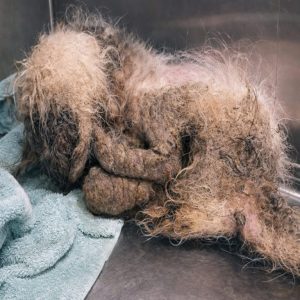
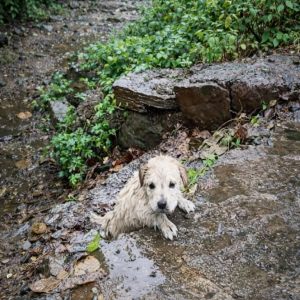
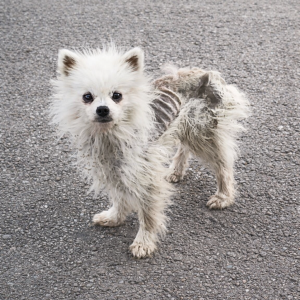
Through the work of rescuers, through intervention that came in time, through the kind of courage that operates quietly and without recognition — some of the dogs who entered that world came back out of it.
They carry what happened to them in ways that don’t disappear quickly.
The flinching at sudden sounds. The uncertainty around unfamiliar people. The particular wariness of creatures that have learned, at great cost, that the world is not always safe.
But they also carry something else.
The capacity to heal.
They sleep on soft surfaces now. They accept gentle hands. They rediscover, one careful day at a time, that trust is not always punished.
They are no longer victims.
They are proof.
Proof that what was done can be undone. That cruelty does not have the final word. That a dog who has known the worst of what humans can do can still, given enough time and enough kindness, choose to love them again.
What Is Still Being Written
The trade has not disappeared entirely.
Ending something embedded this deeply in commerce and habit takes time — more time than activists would choose and more time than the animals still inside it have to spare.
But the direction has changed.
Laws are in place that did not exist before. Public awareness has reached a scale that makes invisibility harder. A generation of Indonesians is growing up with a different conversation about animals, about compassion, about what progress actually means.
The journey is not finished.
But the path is clear.
What This Story Asks of All of Us
Somewhere in the world right now, an animal is suffering in a place nobody is looking.
Not because the world doesn’t care.
But because caring requires knowing. And knowing requires people willing to look, to document, to speak loudly about things that are easier to ignore.
The change that has come to Indonesia happened because people refused to look away.
They documented. They shared. They stood beside animals who had no voice in the places that mattered and gave them one.
That is what awareness does.
It makes the invisible impossible to unsee.
The collars around their necks told the truth. These were family. And because enough people refused to forget that — some of them found their way home.
Indonesia is changing. This victory belongs to everyone who refused to look away.